
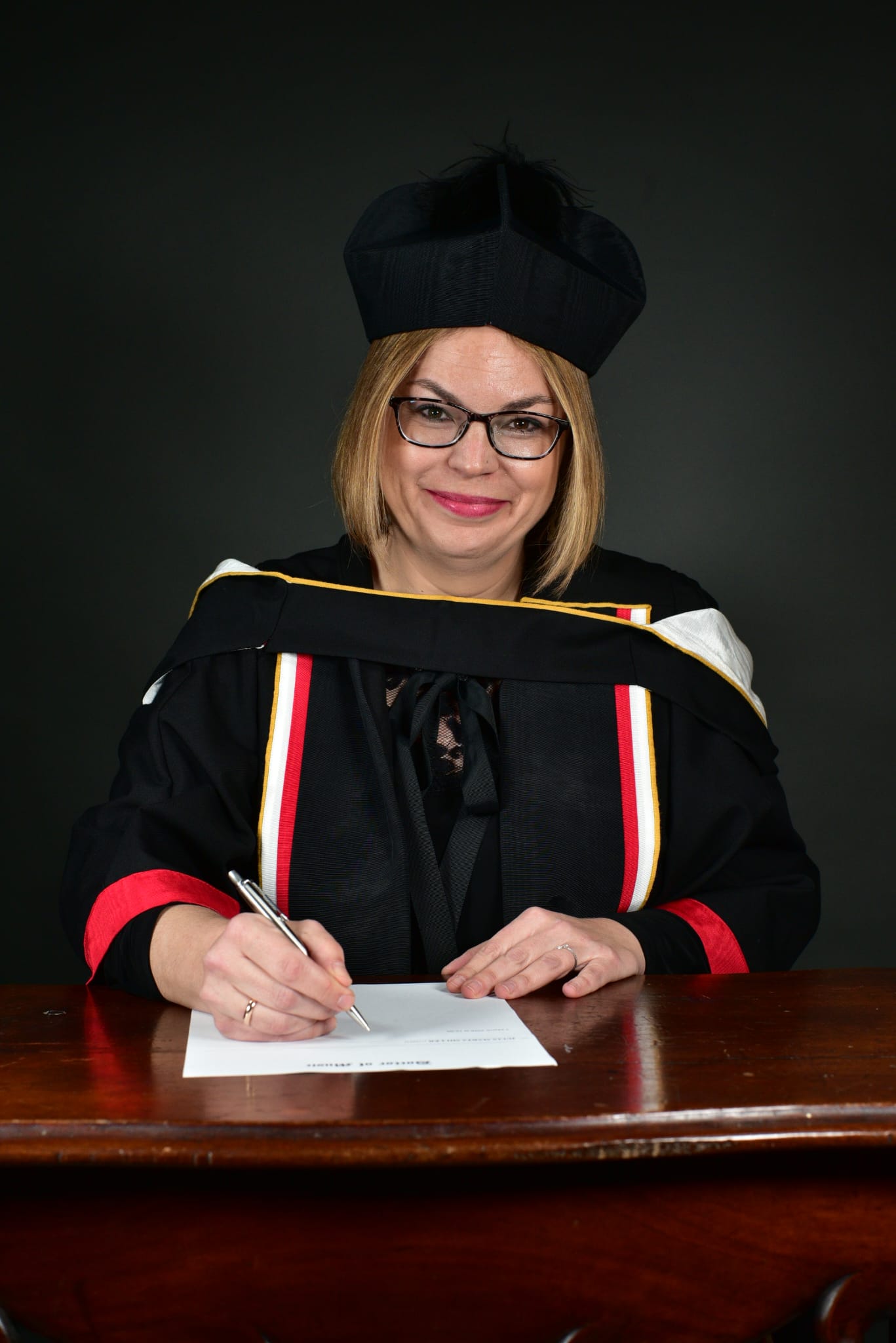

At the moment of writing this post, my graduation was almost 3 months ago and I am officially a Doctor of Music in Performance. It has been a really long journey, even though one can say it was “only” three years, as I did the doctorate full-time as opposed to part-time, which can take up to seven years.
Just to explain how the Doctorate in Music is awarded at the University of Malta: you are required to perform three recitals – chamber, concerto with orchestra, and solo – along with a dissertation on your chosen topic, which usually ties in with the solo recital. All four components need to receive a pass in order to complete the degree. One of the last requirements is a viva voce, which is an aural exam with three examiners, one of them from a foreign university, where they discuss with you your written work as well as the recitals. Afterwards, one usually receives some corrections to the written work, which need to be submitted to the Doctoral School and then, hopefully, receives the confirmation and can calmly wait for graduation. That is how the process looks and what is required.
In reality, I thought about doing a doctorate much earlier, probably eight or nine years ago, and I even approached the University of Malta, as I had encouragement from one of the visiting music lecturers. At that time, my idea was not accepted, as I wanted to focus on chamber music – specifically songs for voice and piano from the Romantic period and the role of the piano in them. This would have been in line with my master’s topic from years before, where I analysed two sonatas by Johannes Brahms, one for piano solo and the other for violin and piano, and the role the piano plays in chamber music.
In my recent journey, the whole process started around six months before I was accepted as a doctoral student, when I even started thinking seriously about it and began researching the topic I was interested in: women composers. Initially, I wanted to compare four of them: Maria Szymanowska, Clara Schumann, Valborg Aulin, and Amy Beach. Eventually, I decided to narrow it down, as the subject was very wide and, when writing a doctoral dissertation, you need to be more specific. Plus, in the case of a Doctorate in Music in performance, the length of the dissertation is limited, so it makes more sense to narrow the topic.
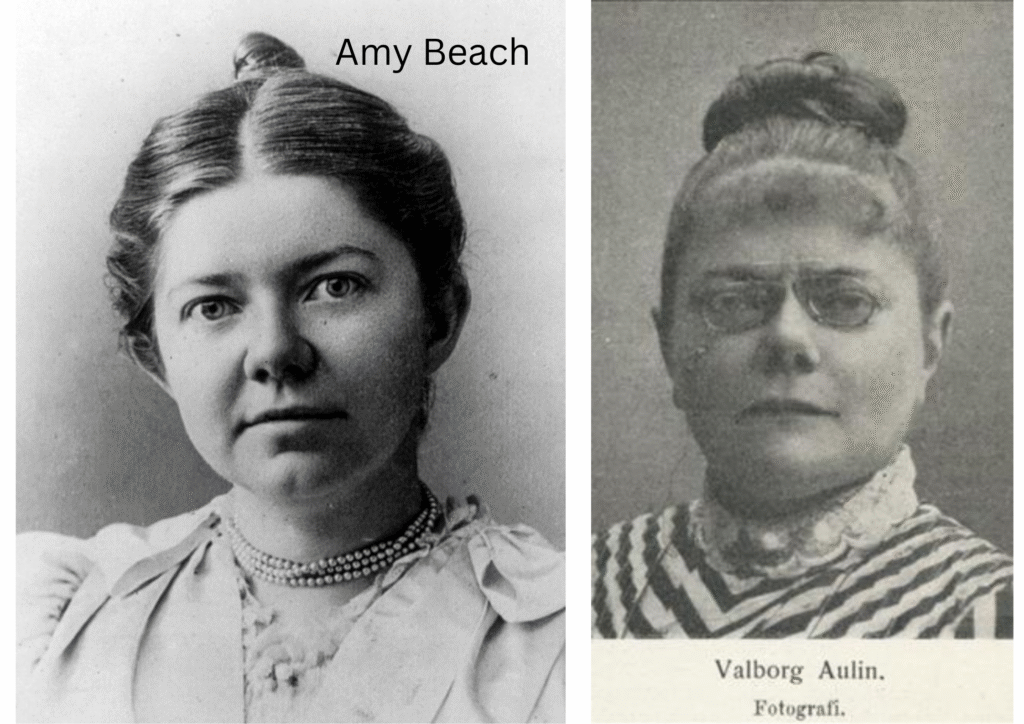
The idea of women composers was sparked during one of my lessons when we were choosing pieces for the ABRSM Grade 5 exam and came across a composition by Amy Beach. This led my student and me to investigate women composers further, and after checking YouTube, I found a sonata by Valborg Aulin and I was really excited about it. Therefore, I started researching the available materials about these two composers. In the case of Amy Beach, it was not difficult, as there is a vast array of resources – it is more a question of which to choose. The situation with Valborg Aulin was different: at the time of my research, the main resources were in Sweden, in libraries which I had to physically borrow from, and of course they were in Swedish, which I needed to translate ( thank you Google Translate). This helped me to put together the majority of the resources before even starting the doctorate, when I was writing and preparing the proposal. Once my proposal was accepted and I spoke to my prospective tutors, who helped shape the topic even more, my status officially changed to that of a doctoral student.
I think during these three years I expected to study in a way I was used to when I was in my twenties at the Academy of Music back in Poland, but being a university student at doctoral level is different. You are treated as an independent researcher – a grown-up, a student, but more on an equal level than before. It has its good and not-so-good sides.The good side is that it is up to you how to plan your research and study, with occasional consultation with your tutor. In the case of piano, my meetings or lessons were quite frequent, although not like in my earlier studies, where they were once a week – more or less once a month, and maybe a bit more frequently closer to the recital. To be honest, this suited me well, as I had time to prepare something substantial to present instead of feeling like a student who managed to learn maybe a page or two of each piece.
The approach to the written dissertation was different. As a person embedded in musical life, I had last written academically during my master’s degree around twenty years ago. I think for students starting a doctoral journey later, rather than straight after their master’s degree, it would be a good idea to offer some classes to bring them up to speed on how the doctoral writing process looks and what is exactly expected. From the musical point of view, as a pianist, I knew what was expected of me in the concerts. I have been playing my whole life. But in the case of writing, apart from occasional blog posts in earlier years and writing emails, I had never undertaken such an ambitious project as writing 30,000 words in academic language, especially considering that English is not my mother tongue. I think this kind of class would really help doctoral students coming from backgrounds outside academia.
I had occasional meetings with my writing tutor and we exchanged many emails, but I still felt I needed more guidance on what exactly to write and how to narrow down the topic. There is also a difference between writing about music as a performer and as a musicologist, and not always would I consider the same points important as my tutor, and vice versa. When speaking with other students and professors at the university, I heard that this is normal, as it is a university environment and you are expected to do things by yourself, with the tutor there only to guide you when you ask. They rarely check on you first, but rather expect you to be on top of everything all the time. Coming from a Music Academy background, where the focus is on practical skills such as performance and where you are in constant contact with your tutors, who keep track of your progress, I found this difficult at times and felt lost. I have to admit that without the support of my husband, I would have found it very difficult to continue writing, as he was the main person encouraging me and the one I could bounce arguments and new ideas off.
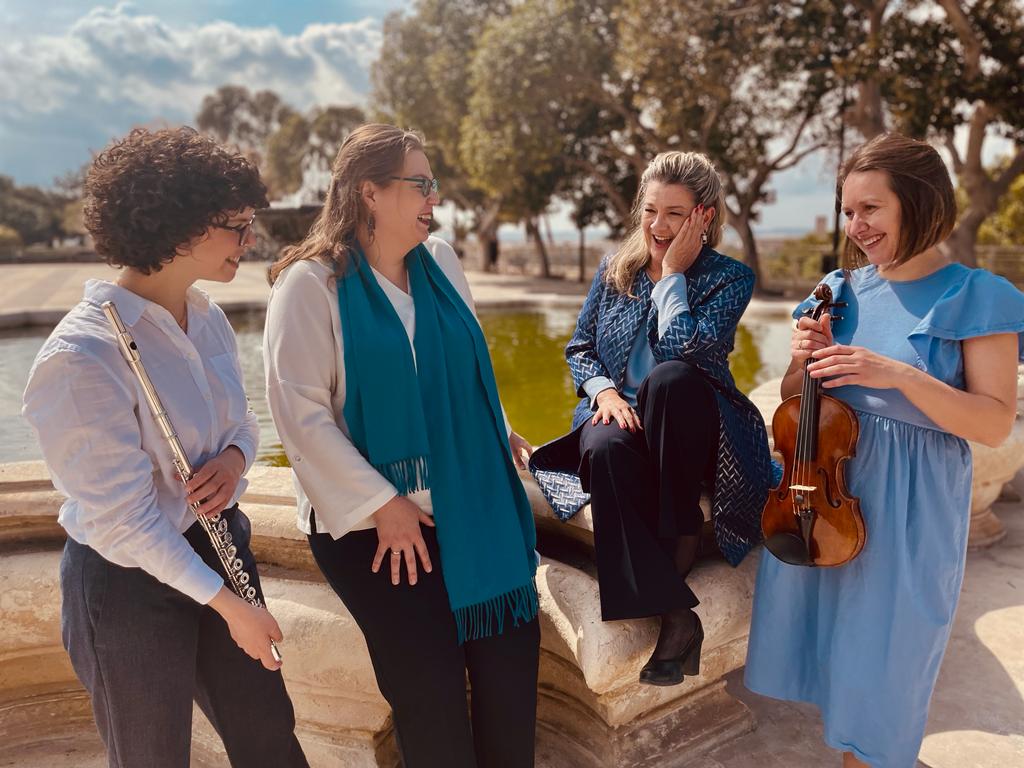
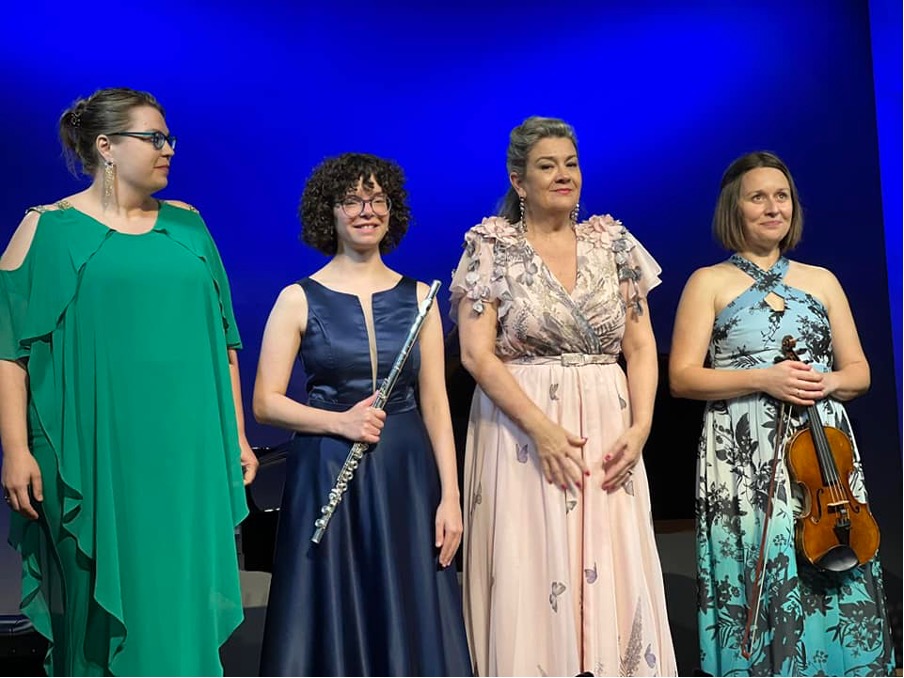
Coming back to the piano: in my first year, I presented a chamber programme where I collaborated with colleagues on violin, flute, and with a singer, performing chamber works by Brahms, Reinecke, and a selection of songs by Amy Beach and Valborg Aulin. My singer friend made a big effort to learn Swedish pronunciation for the song, and it was the first time she had sung in this language. Reinecke’s flute work was challenging, as it included many fast passages, and as the flute is a woodwind instrument, pianists cannot really slow down, as it would affect breathing – similarly to working with singers. Working with a violinist on the Brahms sonata was a great experience, as it was already my third time playing this sonata, each time with a different violinist. It is amazing how each person brings something new to the table and makes the piece their own, which also affects the piano part.
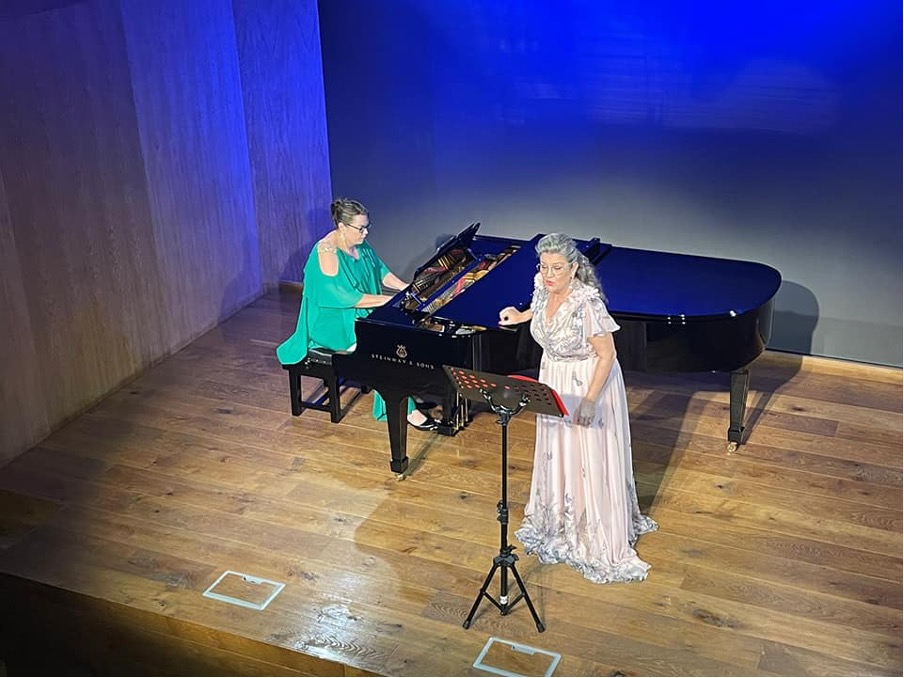
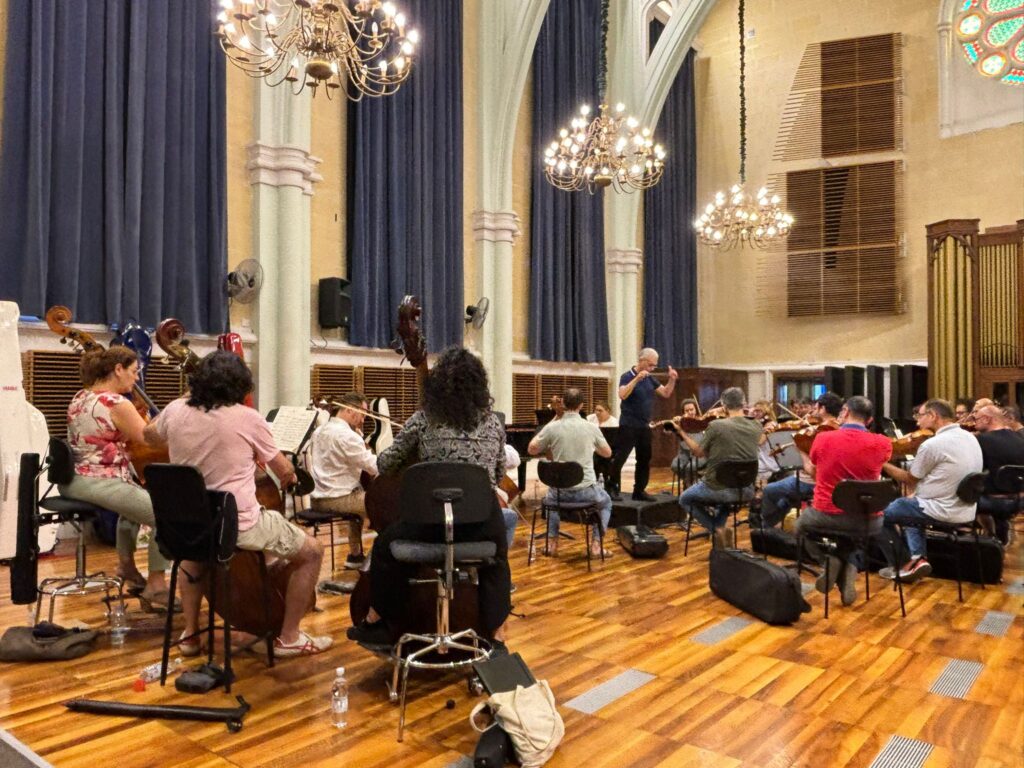
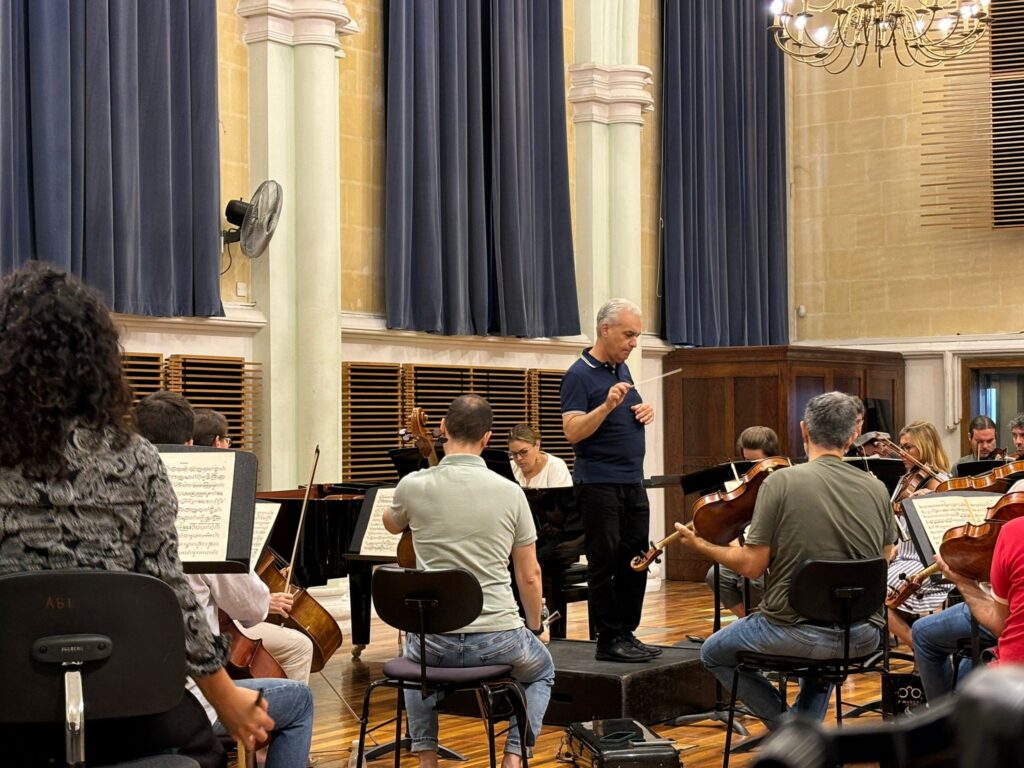
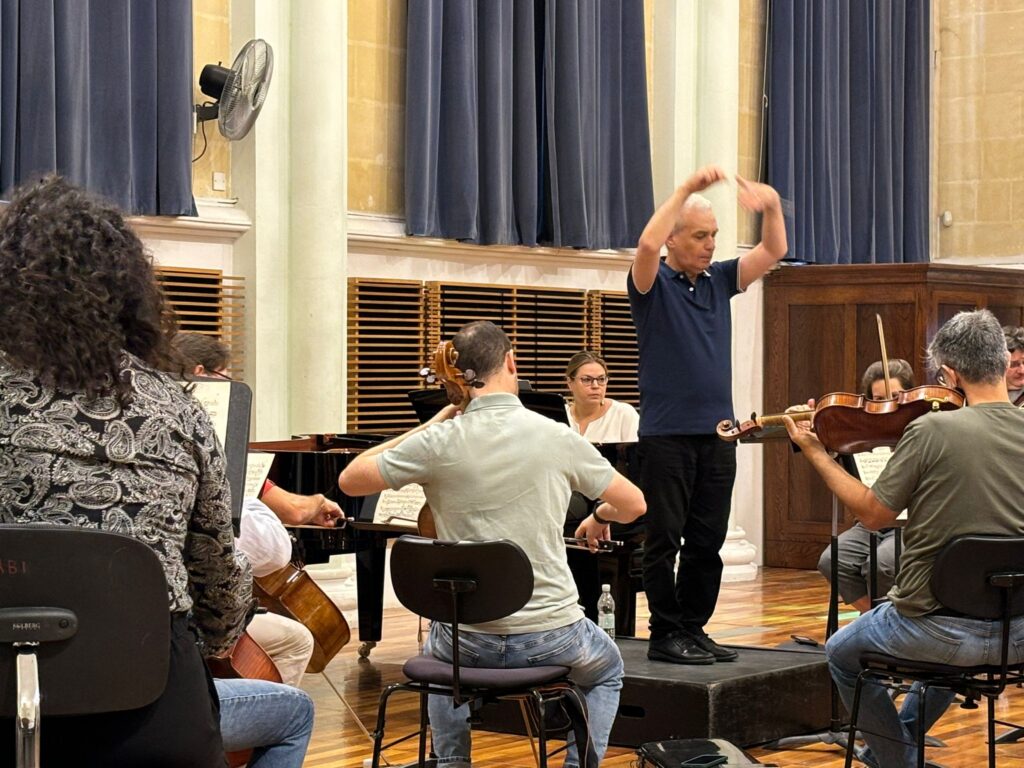
In the second year, I focused on Edvard Grieg’s piano concerto, alongside the solo recital pieces I was studying at the same time. I then performed Grieg’s concerto with the Malta Philharmonic Orchestra under the baton of my professor. It was a challenging moment, as the only rehearsal took place just before the actual exam, which followed after a brief break. It was quite intense, and I feel I could have performed better if the initial rehearsal had taken place on a different day, but this was the arrangement with the orchestra, which was brought in for just one session. Luckily, I was already familiar with Grieg’s concerto before starting the DMus, and therefore I was able to adjust to the orchestra within one rehearsal. Having said that, the main focus of working before the exam and rehearsal, apart from musical and technical issues, was understanding the conductor’s movements and what was happening in the orchestra at any given time. How my entry should sound depended on the context and what was happening in the orchestra before and after. Sometimes it required a very prompt entry; at other times it could be more staggered. The same applied to tempo. It was very interesting to work with my professor, who is not only a pianist but also a conductor, and to better understand the conductor’s role and gestures.
In my last year, I focused solely on the solo recital programme, to which we made some minor changes with my tutor. I worked on Amy Beach’s Ballad and Four Sketches, Valborg Aulin’s Sonata, Chopin’s Ballade in G minor, and three Schubert/Liszt Lied transcriptions. The Beach’s Ballad and Chopin’s one, I had performed before, but the rest of the programme was completely new and it was my first time performing it. The Schubert/Liszt Lieder were particularly challenging, and one of them was added just a few months before the performance to ensure the timing of the programme was appropriate. Initially, I had planned to continue with Aulin’s music and perform her three Fantasy Pieces, but they were not considered virtuosic enough, and in order to demonstrate more virtuosic playing, my tutor and I decided to include Liszt’s transcriptions instead. They are not easy, and even now one of them still scares me to perform, but learning and eventually performing them pushed me beyond my limits and proved to me that I am capable of playing them.
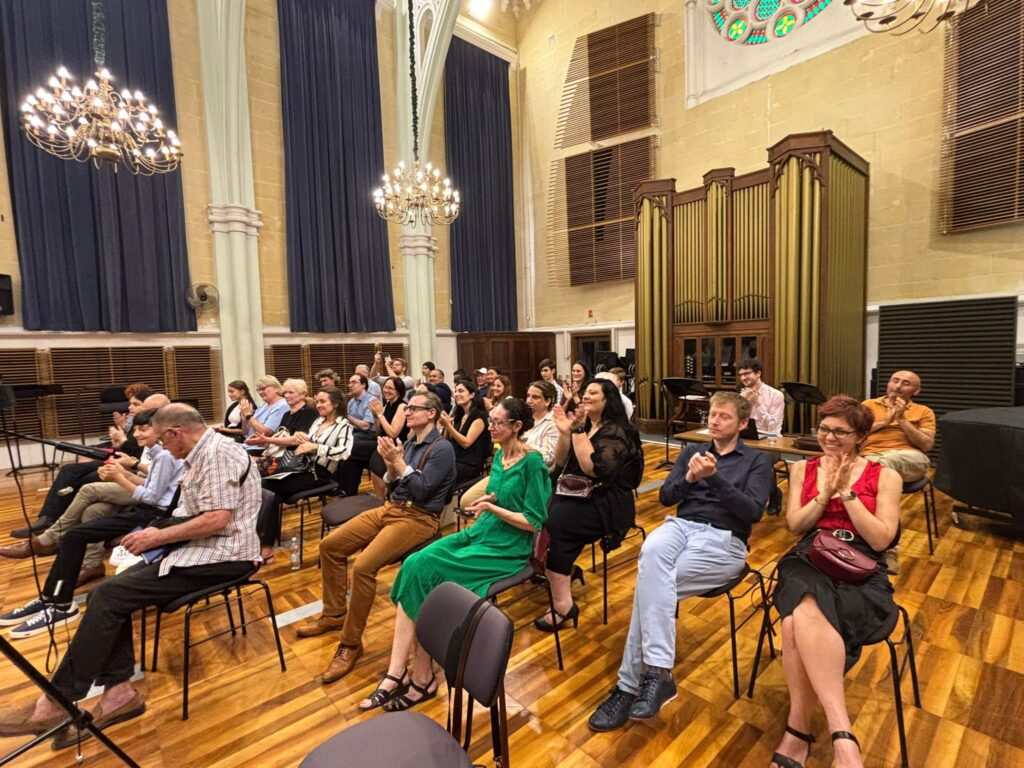
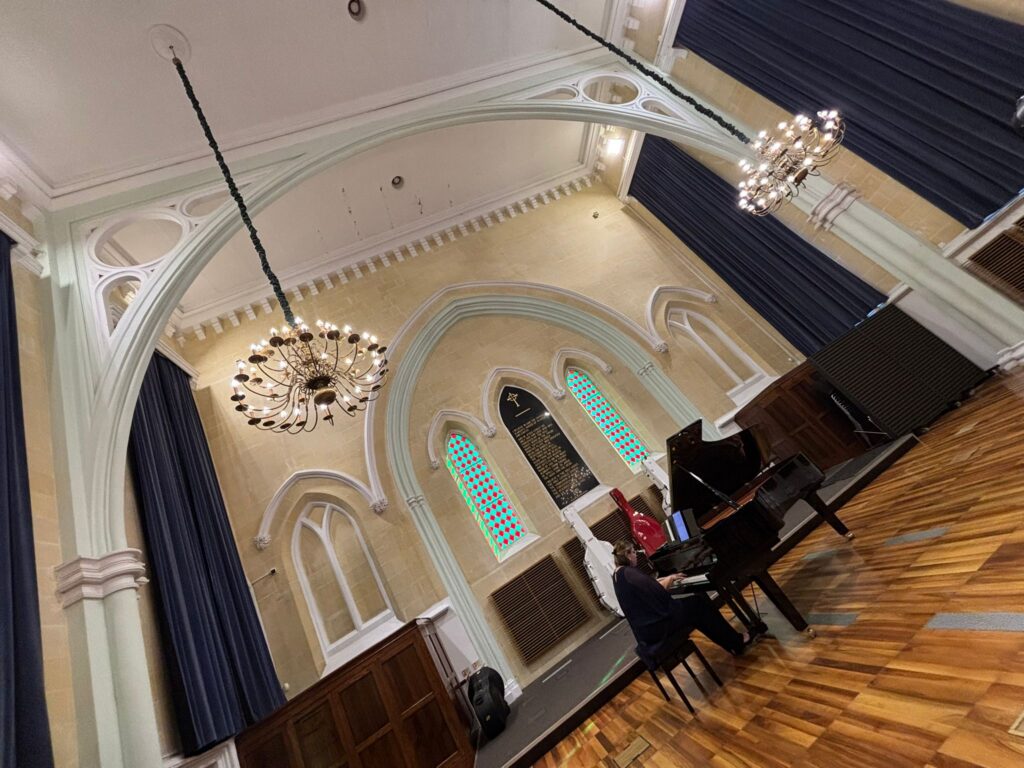
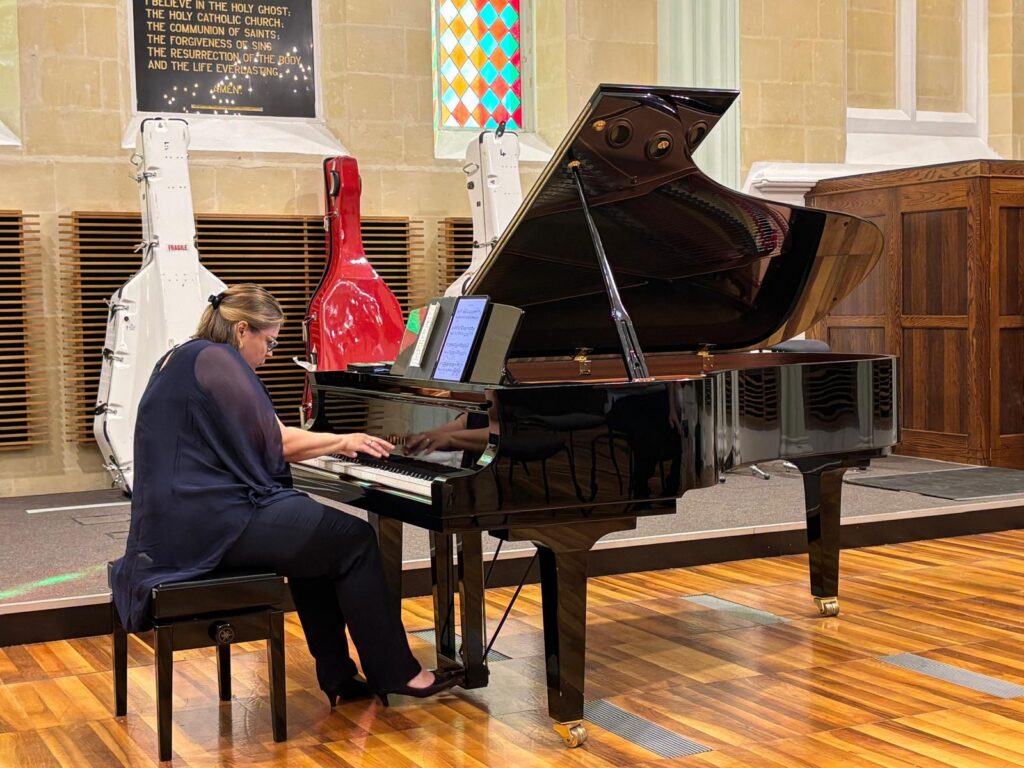
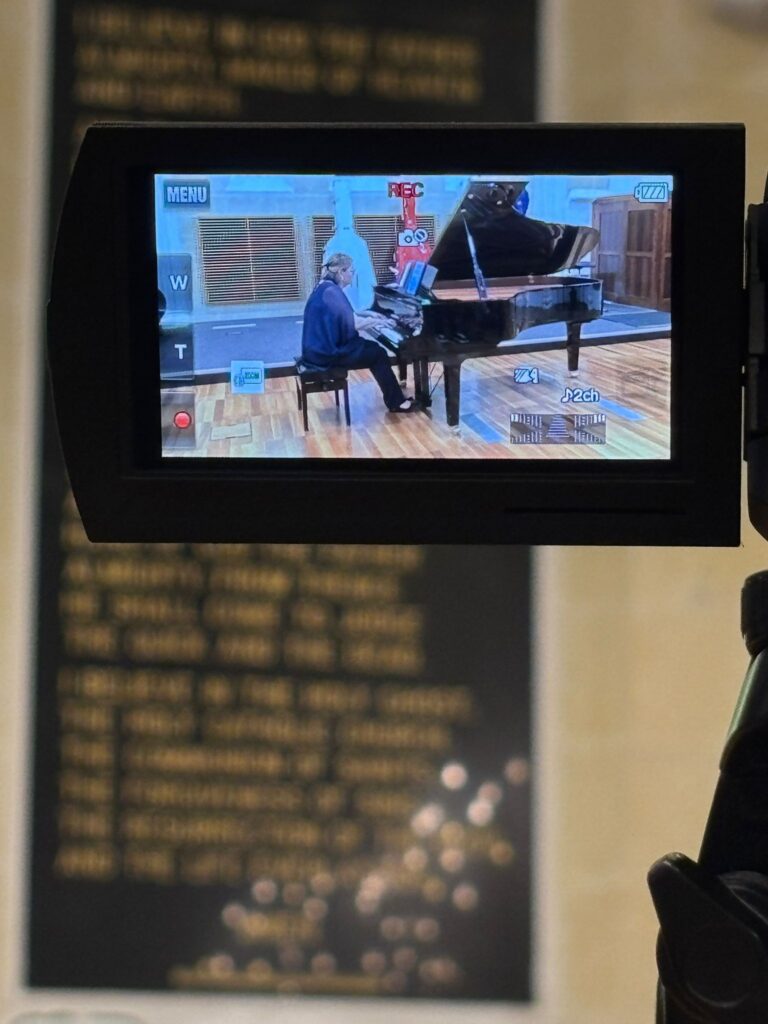
Preparation for these three recitals taught me a great deal and also reinforced knowledge I may have stopped consciously thinking about. For example, I now analyse the pieces I play more deeply, looking in greater detail at harmony, background, and the meaning of every note, and being more aware of all the information present in the score. This is something that is not always possible when you have many pieces to cover as an accompanist, for example, but it nevertheless provides a fuller understanding of the music you are playing.
After performing all three recitals, the time came to submit the dissertation. I had been working on it regularly for the past three years – in the first two years with more emphasis on research, and in the third year, especially after the final performance, I sat down to put all the notes together and make it work as a coherent whole. It was a tough period, as the summer break arrived and even though I took some time off for holidays, my mind was still focused on finishing the dissertation on time. One of the issues was the word count, as initially I wanted to discuss more works by Amy Beach and Valborg Aulin and had already written some sections on them. Eventually, however, I decided to focus primarily on comparing the Sonata and the Ballad and on presenting the performance issues within them. As a result, some sections had to be removed, and I found myself short of the required word count. After some reflection, I added more focus on methodology, historical aspects, and brief references to other works I had analysed earlier. By the end of September, I submitted the dissertation and waited for the date of the viva voce – the aural exam discussing both the written and performance components of the DMus.
Eventually, the viva was scheduled for the beginning of December, with the foreign examiner attending online. In the room with me were the chair of the board, two examiners from the University of Malta, the foreign examiner from the UK, and my supervisor. I knew the names of the examiners and the chair beforehand, and what struck me as odd was that I was writing about women composers, I am a woman myself, and yet I was examined exclusively by white men. In a time when we speak so much about equality, one might think there would be a woman on the board or someone from a different ethnic background. When I raised this issue earlier with one of the professors, he simply said, “Well, that is academia for you.” It is surprising that in the 21st century, more men are still present as professors and doctors than women, even though statistically more women study and obtain higher degrees.
Returning to the viva itself, the first few questions were intended to warm me up and put me at ease. I was asked to describe the overall idea behind my dissertation, which went very smoothly, as it is something I had spoken about many times before. The following questions were still quite general and not too difficult. We then moved on to more specific questions relating to particular paragraphs and pages in my dissertation, where I had to explain further what I meant and why I wrote something in a particular way rather than another. Later, they introduced some alternative ideas and asked why I had not followed a different line of inquiry. I had to respond quickly, defend my arguments, and justify my choices, even though in some cases I acknowledged that these ideas could have been interesting to include. The whole viva lasted over an hour and a half, and afterwards they congratulated me and explained that it would be followed by some corrections that I needed to complete before officially submitting the final version. A few days later, I received three pages of corrections, which did make me feel a bit exasperated. However, I learned that everyone receives some corrections and, realistically, the majority of them were minor; only a few comments asked me to develop my thoughts further. Therefore, I had to sit down again and work on them. Initially, the time given to complete the corrections was quite short, especially considering that the Christmas holidays were approaching and I also had several concerts planned beforehand, which left very little time to focus on writing.
I have to admit that I protested a little and managed to obtain a longer extension to work on the corrections. If I had not completed them by the end of January, I would not have been able to graduate that year, which would have meant postponing everything for another year. I did not find this fair, considering that I had prepared everything on time on my end, and the issue was that the viva had been scheduled slightly later than usual, which affected the timeframe for the corrections.
Nevertheless, I managed to complete the corrections and sent them to my supervisor, who confirmed that I had done the work. Then it was time to submit everything to the doctoral school. The moment I sent it all – together with all the appendices and signed forms – felt magical. I still could not believe that I had done it. I kept repeating to myself that I would truly believe it only when I was actually there, receiving my degree.
During the month leading up to graduation, I had to confirm the photographer, book my gown, and also arrange travel for my dad, who was coming for this special occasion, which made the day even more meaningful.
One more special aspect of the experience was the fact that I was asked to deliver a speech during the graduation ceremony as a doctor and representative of my fellow graduates. I truly did not expect it and, at first, I was not sure what I could bring to the table. Eventually, after some brainstorming, I decided to further explore the topic of women in the arts, not only in relation to the glass ceiling they often encounter, but also the importance of the arts and arts education in general.
Once again, I had to sit down and write, although fortunately this time it was only a five-minute speech. I practised delivering it beforehand so that I would not stumble over my words on the day of the graduation. I am generally comfortable with public speaking, but I knew I might become emotional, so it was better to come well prepared.
When the day finally arrived, I took some leave from school, had my hair done, and went to Valletta to collect my gown at the university and receive instructions about what to expect during the ceremony. In Malta, graduation ceremonies take place in the university church in Valletta. Students, graduates, and professors walk together from the university to the church and then back again once the ceremony is over, with the graduates wearing their gowns.
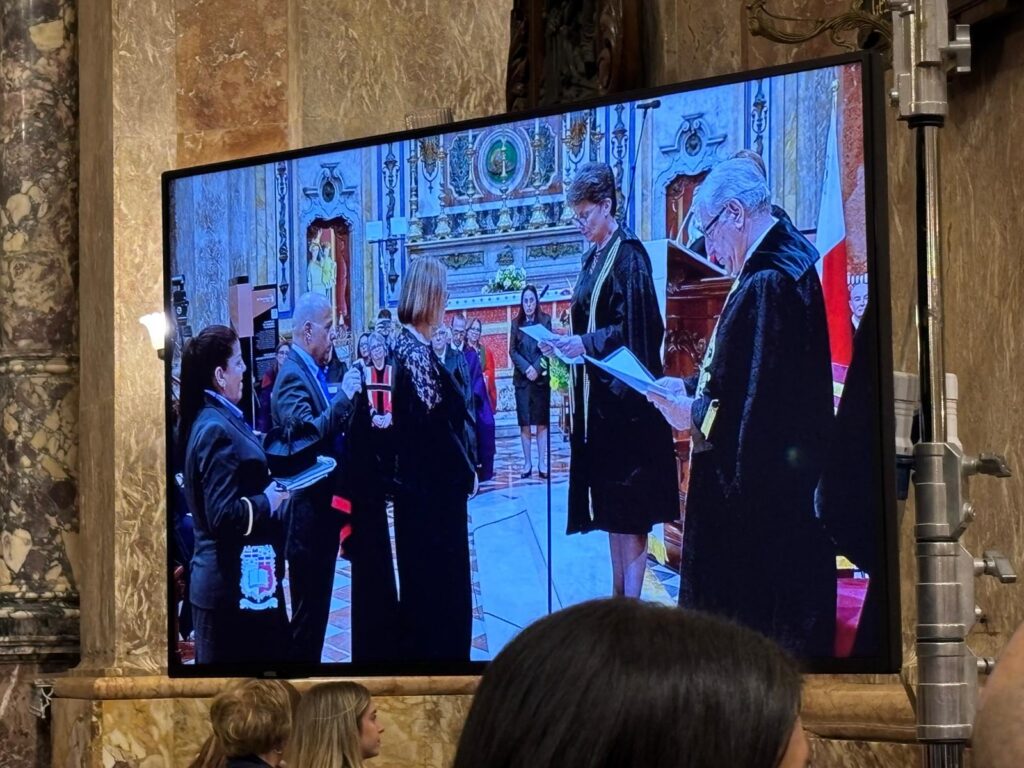
As a Doctor of Music, my gown was different from those of the master’s graduates, especially the hat, which I really liked. Another special detail was that I was told I would be dressed by a member of the teaching faculty. I would also have to swear on my dissertation and, once the hat was placed on my head, I would officially be accepted as part of the faculty, standing on equal academic level with the other doctors there. Afterwards, I would shake the rector’s hand, receive my diploma, and take photographs.
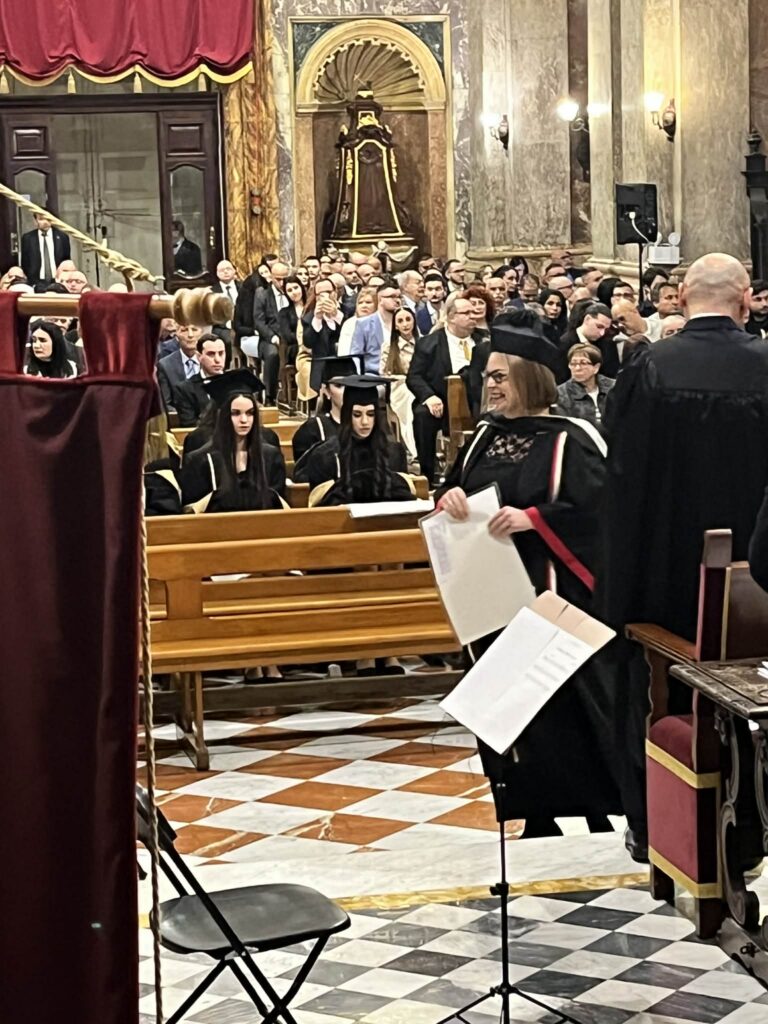
The whole experience of walking to the church as the last graduate, but ahead of the professors, was truly surreal. People on the streets were watching us pass by, and then, once inside the church, it suddenly hit me how important the moment really was. I had tears in my eyes, and I can see it now when I rewatch the video my husband made of me coming into the church.
As I was delivering the speech – second on the agenda, immediately after the professor’s address -I was seated together with the academic body. I have to admit that I was nervous at first, but I did some breathing exercises and, once I began speaking, everything settled. In fact, I actually enjoyed the experience.
Afterwards, I moved to sit with the graduates and had to wait until the very end, as I was the last student to graduate. When my turn finally came, I queued to be dressed in the academic gown and to swear upon a copy of my dissertation. I was slightly unsure about the exact moment I was supposed to extend my hand to be dressed, and now, looking back at the video, I can see some rather funny movements. Eventually, though, I managed quite well.
I was especially glad to speak afterwards with the Rector and Pro-Rector during the handshakes, who praised both my speech and the courage to speak openly about women’s rights in general. It was important for me that the message resonated, as it is a subject that is very close to my heart and one whose inequalities I witness in everyday life. It is also one of the reasons why I chose women composers as the subject of my Doctorate in Music.
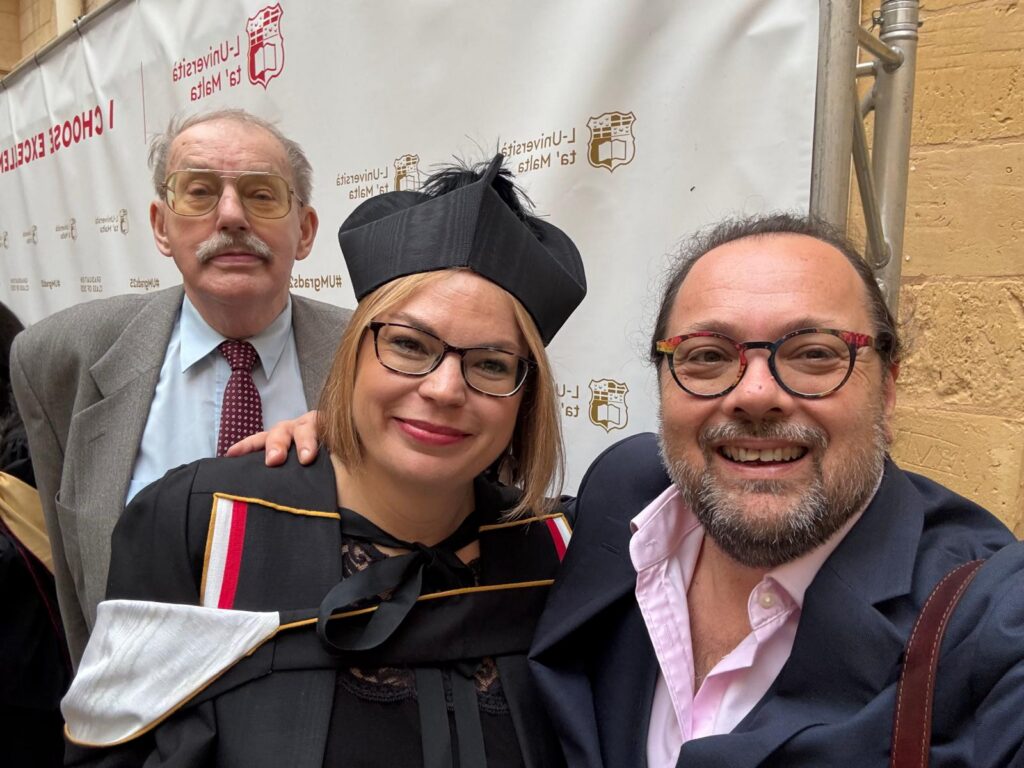
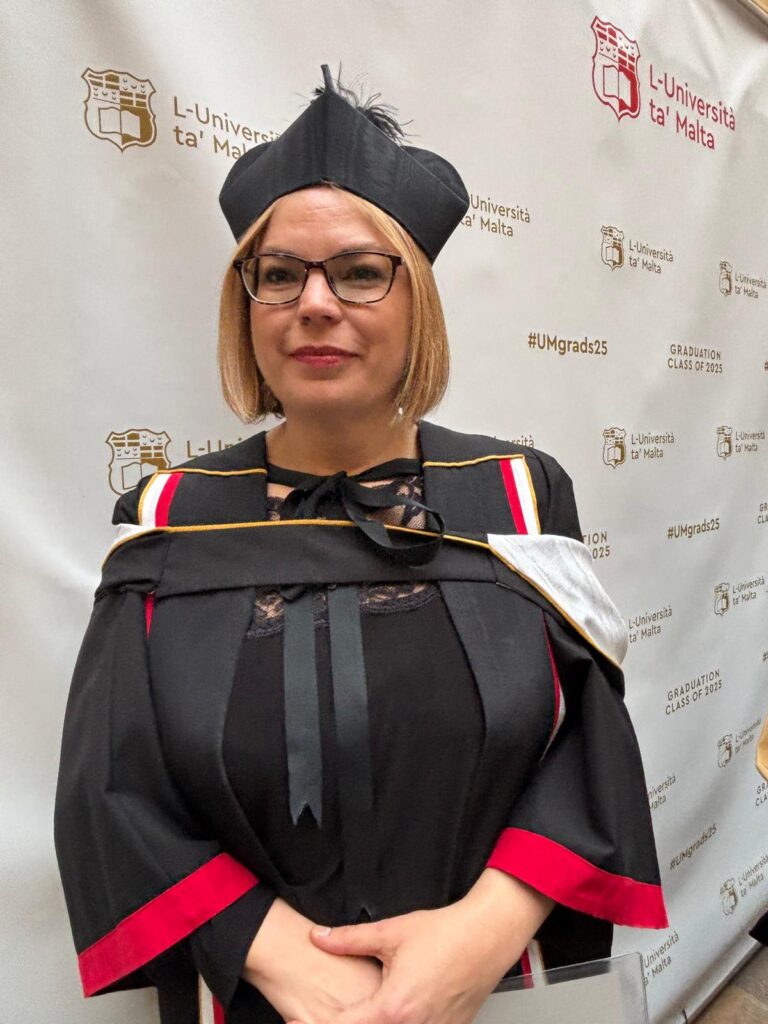
After the ceremony, we walked back to the university, where more photographs were taken. Unfortunately, I then had to return my gown, which was a bit sad. I would have gladly kept it, but the rental was only for one day and a hefty fine would have been charged had it not been returned on time.
Later, we celebrated with drinks and a wonderful dinner at a restaurant 180 in Valletta. Needless to say, waking up the next morning for work was quite difficult.
Now, almost three months later, when I reflect on it all, I still find it hard to believe that it truly happened – and that it is already over. During the first months afterwards, I struggled somewhat with the question of what I was supposed to do next. There was a certain emptiness, which perhaps I tried to fill with even more work engagements. Eventually, however, I realised that I simply needed time to reflect and to consider what the next step in my journey should be.
The question remains: would I do it again if I had known everything it would entail? The answer is yes. However, I think I would approach it differently, perhaps more prepared for the realities of the journey and more aware that, for the most part, I would have to rely on myself throughout the process.
As of now, I am still reflecting and imagining what my future might look like, while gradually beginning to plan new concerts, discover repertoire by women composers, and bring that music to life once again.